The Story Behind Berkhamsted’s “Comrades”
The Story Behind Berkhamsted’s “Comrades”
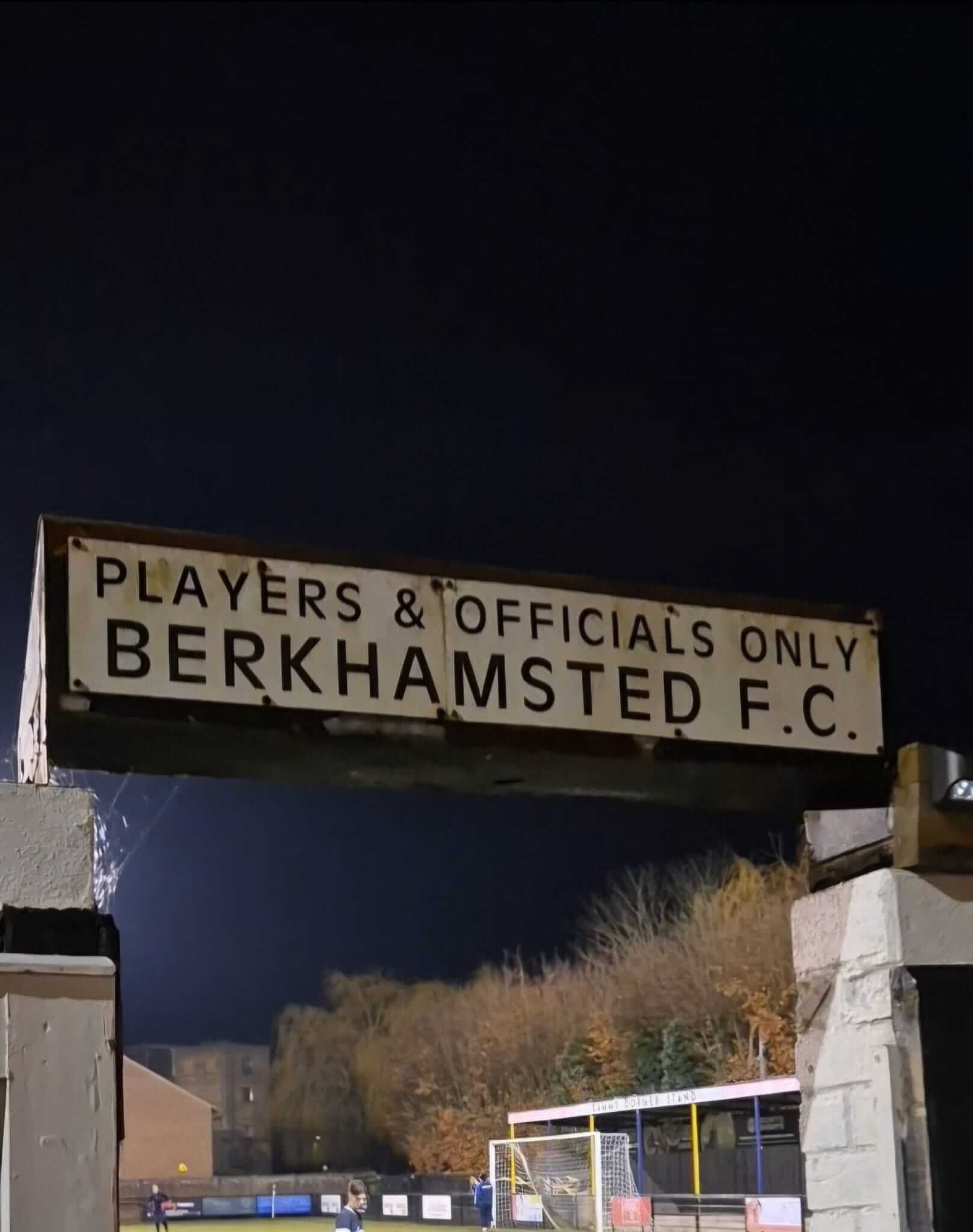
If you walk down Lower Kings Road on a Saturday afternoon, you’ll hear the familiar sounds of football echoing from the Glencar Community Stadium on Broadwater. Today, it’s home to Berkhamsted FC. But if you look at the club’s badge or chat with the regulars, you’ll constantly hear one word: The Comrades.
It’s a unique nickname, but it isn’t a modern marketing gimmick. It’s a direct link to a century of local history, born from the aftermath of conflict, a teenage goal-scoring prodigy, and a town that simply refused to let its football club die.
Soil and Sharing (1875)
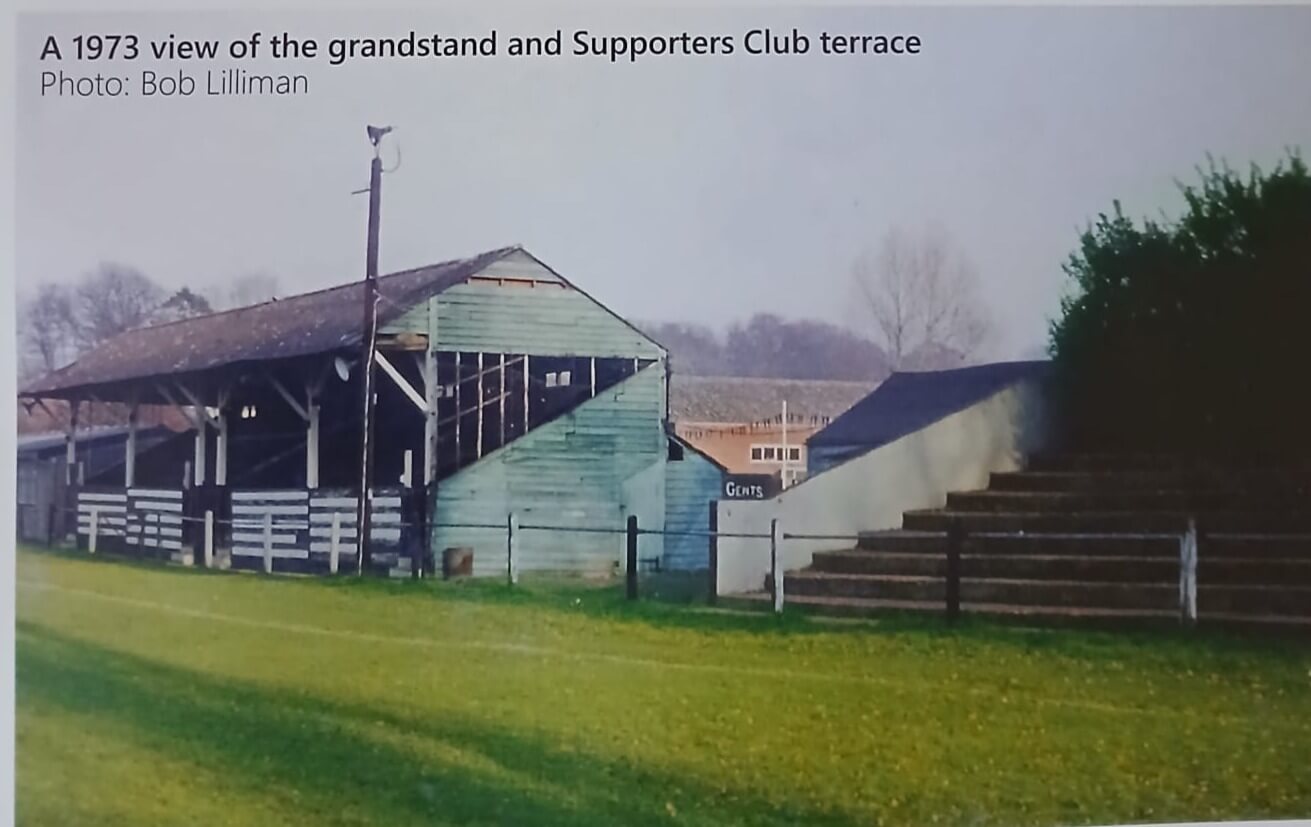
Long before the modern stadium took shape, the ground at Lower Kings Road had a remarkably resourceful, industrial beginning. The site was originally engineered in 1875 using the heavy clay and soil excavated from the cutting of the nearby Northchurch railway tunnel. Initially laid out as a fresh home for Berkhamsted Cricket Club, the flat expanse tucked directly beneath the towering railway embankment quickly evolved into the town’s premier sporting hub. By the late 1870s, the cricketers were officially sharing their turf with Berkhamsted School and the town’s football club.
This established a unique, cross-sport partnership that would define the site for the next century, with tennis, hockey, bowling, and croquet clubs all joining the vibrant sports hub in the decades that followed.
The First Comrades (1919)
The story of The Comrades however began in the muddy aftermath of the First World War. In 1919, young men were returning home to Berkhamsted from the front lines, carrying the physical and mental weight of the trenches. Looking for a sense of routine, community, and normal life, a group of these ex-servicemen formed a town-based football team. They called themselves Berkhamsted Comrades.
For the first three years, they played in the local West Herts and Herts County leagues. It wasn’t glamourous football, but it served a vital purpose: giving local veterans a shared focus and a place to rebuild their lives.
Then in 1921 more turmoil – the land’s owner, Earl Brownlow died and the sports ground which was growing as cross-sports partnership amongst the local clubs and community was put up for sale by Ashridge Estate. There was a very real threat that the town would lose it completely to a factory site. The community launched a massive public appeal to buy the land, creating the Berkhamsted Sports Ground Association to protect the land for local sports.
With the sports grounds now safe, Berkhamsted Comrades grew as a football club and by 1922 with the club looking to compete more competitively, they changed the name to Berkhamsted Town FC. The original name faded from the league tables, but the town never forgot the men who cleared the first pitches. The nickname stuck.
Broadwater
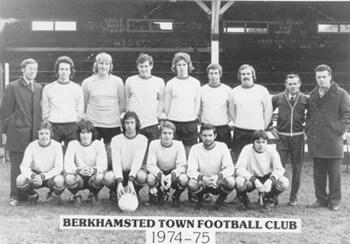
For the next several decades, the club settled into the rhythms of football at Broadwater. It became a community staple, the kind of place where generations of families spent their weekends.
It wasn’t until 1983 that the ground we know today was truly born. To resolve the chaotic overlap of winter and summer sports schedules, half of the original field was sold to build the adjacent Broadwater housing estate. The sale proceeds allowed the cricket club to relocate to Kitchener’s Field, while the football club shifted its pitch, inherited the old cricket pavilion as a clubhouse, and finally installed the floodlights required to climb the ranks of English non-league football.
The pinnacle of this era came in 2001, when the team made it all the way to the FA Vase Final at Villa Park, backed by thousands of traveling fans from the town.
The Lights Go Out (2009)
But non-league football is a fragile business. By the late 2000s, Berkhamsted Town FC was struggling with a mountain of debt. The situation grew so dire that by January 2009, the 90-year-old club was officially wound up. The historic Broadwater ground sat empty and locked up, and it could have been the end of the story. Instead, the community and lifelong supporters stepped in once again, refusing to let the town lose its Saturday football.
They didn’t have millions of pounds, but they had time and tools. A trust was formed, volunteers spent their weekends clearing weeds and repairing the dilapidated stands, and by the summer of 2009, a brand-new club was born: Berkhamsted FC.
Keeping the Name & the Town’s Football Alive
When the new committee sat down to establish the identity of this resurrected club, the choice was obvious. Exactly 90 years after the original ex-servicemen built the first team, the new club officially adopted The Comrades as its permanent, formal nickname. It was a proud nod to the 1919 founders, but also a perfect reflection of the 2009 volunteers who had stuck together to save the club.
The restart was humble, beginning down in the Spartan South Midlands League, but the momentum was real. The Comrades won back-to-back promotions in their first two seasons, eventually fighting their way right back up into the Southern League.
Today, the meaning of “The Comrades” has expanded far beyond its original post-WWI roots. The club has successfully transitioned from a single men’s team into a true football community hub centred on diversity and inclusion with both ladies and youth football, which has in turn led to the biggest attendances in the club’s history – football has never been more popular in the town, with a highest ever attendance of over 2,000 at the play-off final in May 2025 and over 300 travelling fans at this season’s play-off semifinal away at Farnham.
This community momentum is paying off on the pitch, too. Following a tough relegation from the Southern League Premier Central in 2024, the team bounced back and has now found its footing again in the Southern League Premier Division South. Under a refreshed management team, recent campaigns have seen the Comrades rediscover their spark, proving that whether the club is fighting for promotions or building for the future, the spirit of Berkhamsted football remains fiercely resilient.
Central to this modern era is the thriving Berkhamsted FC Ladies team, which provides a fantastic, competitive platform for women’s football in the region. This operates alongside local youth development teams that ensure girls and boys of all backgrounds have a safe, welcoming place to play. The club also works closely with the local Berkhamsted Raiders, a highly successful under-18 youth football club, providing a clear local pathway for the next generation of talented footballers. The entire system is grounded by the ethos that football at Broadwater belongs to everyone, ensuring that match days remain completely accessible, diverse, and representative of the whole town.
So, more than a century later, the kits are still yellow and blue, Broadwater is still echoing with the chants of local supporters, and the football is as honest as it was a hundred years ago…built by the comrades of 1919 and kept alive by the inclusive community of comrades today.
Sport in our town isn’t just about winning, it’s about community. Our local clubs constantly rally together, proving we’re stronger as one big team! ❤️ Follow us on social media to dive deeper into BSG Heritage and get ready for our upcoming picture trivia. Can you crack the next clue?
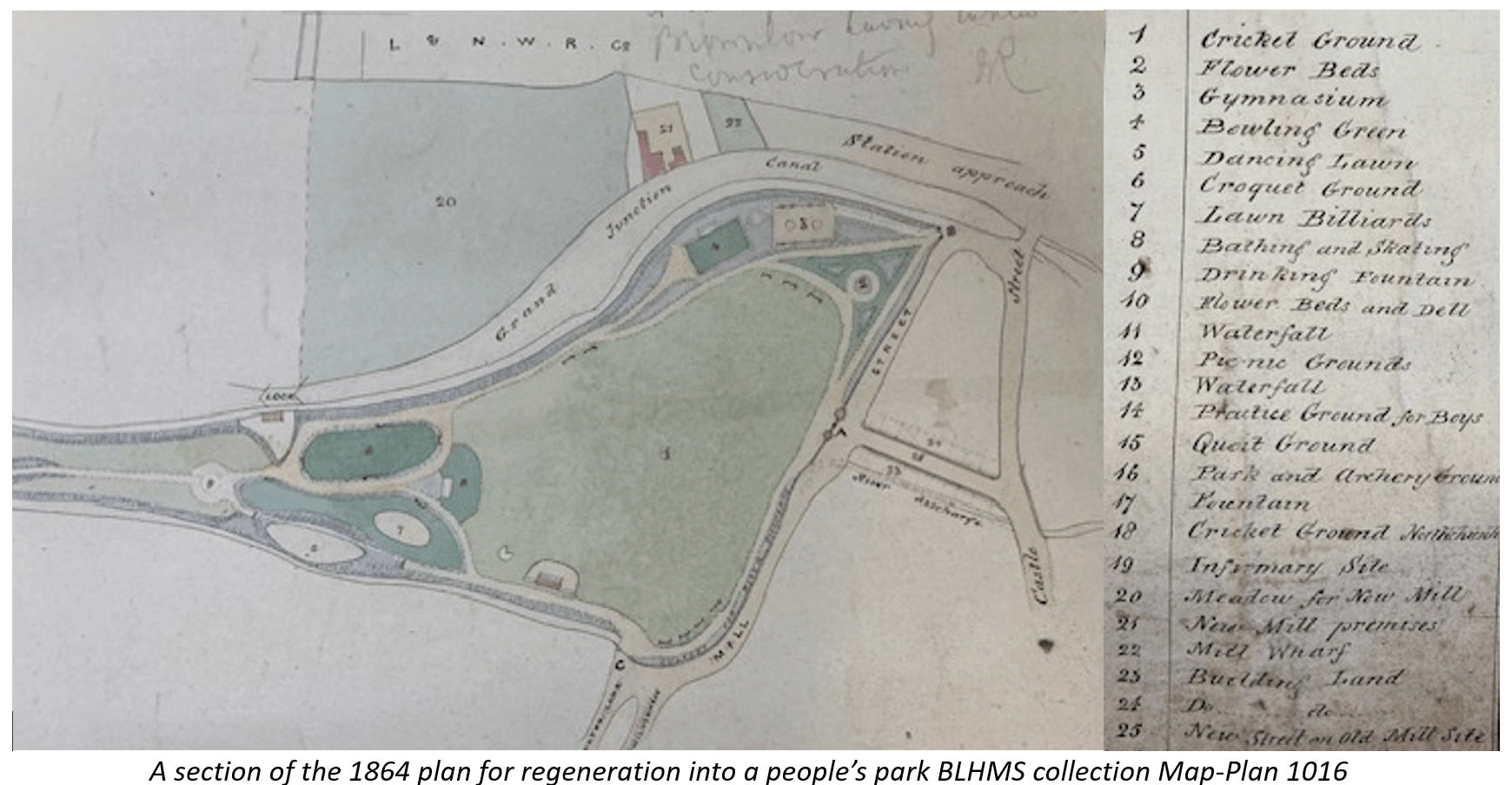

Broadwater and the Moor through the lens (Year unrecorded)
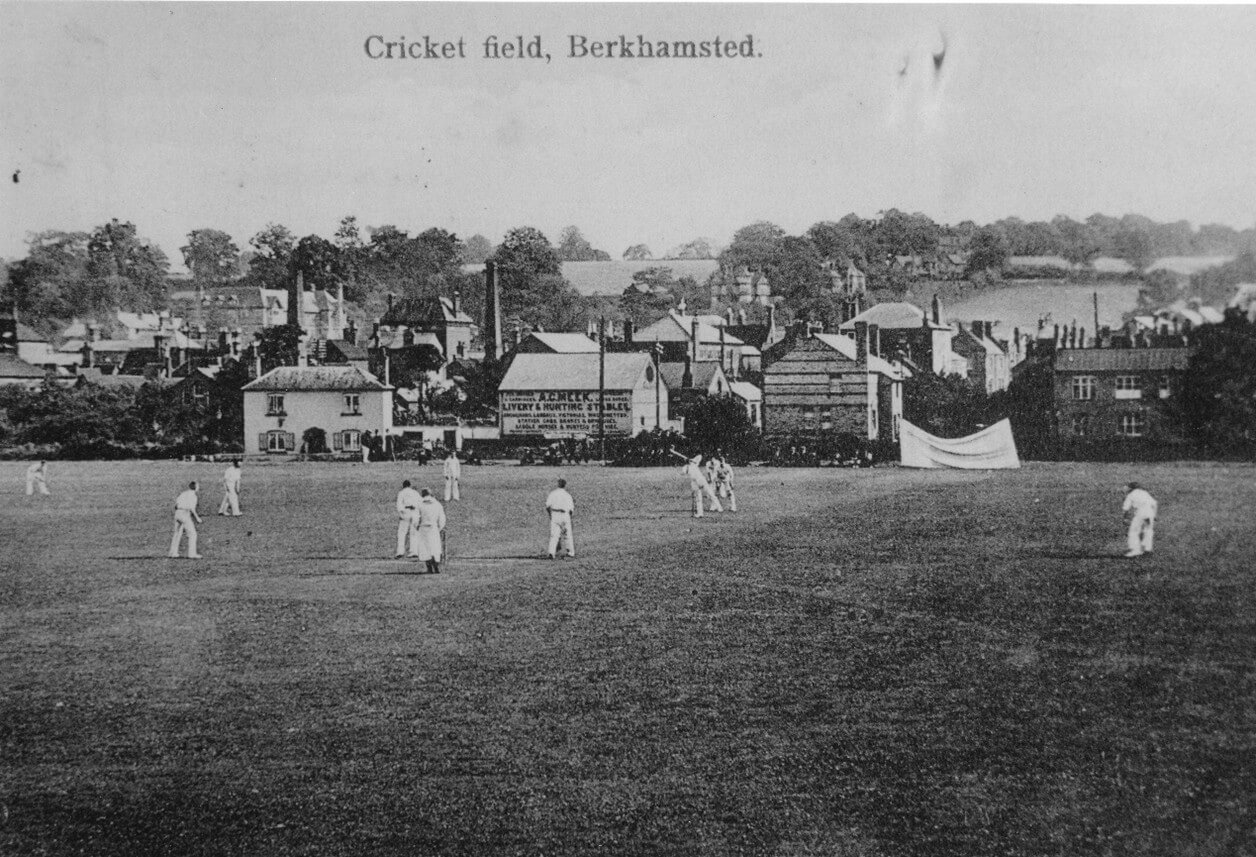
The original cricket ground in Lower Kings Road in about 1906 (DACHT:BK 364.2